Modern Living With Smart Home Technology for Better Comfort and Security
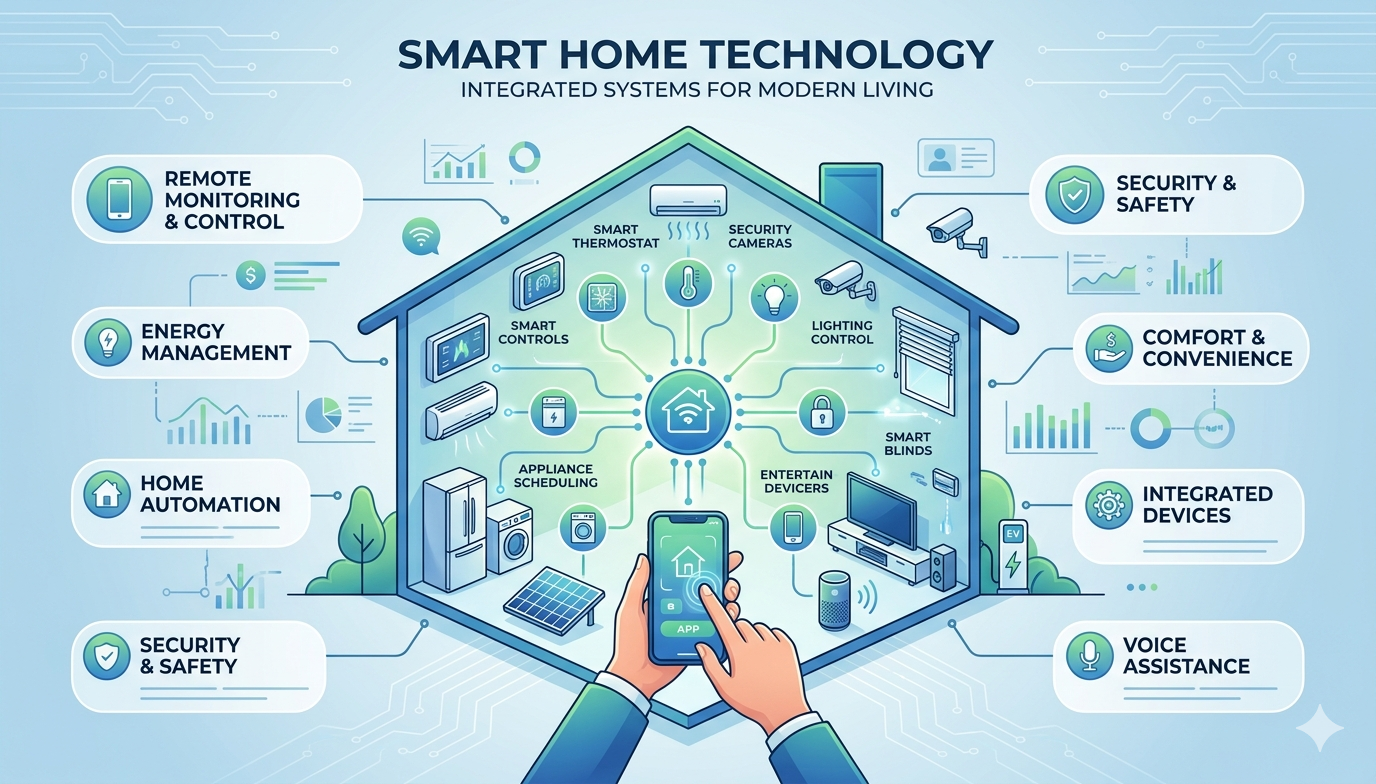
Smart Home Technology is changing the way people manage their daily routines at home. It includes devices and systems connected through the internet that help users control lighting, security, entertainment, and appliances with smartphones or voice commands. Many homeowners now prefer these systems because they make daily tasks easier and save valuable time. From turning on lights remotely to adjusting room temperature automatically, these devices improve comfort and convenience in every corner of the house.
The popularity of Smart Home Technology continues to grow because modern families want homes that are more efficient and secure. Smart devices are designed to communicate with each other, creating a connected environment where users can automate many activities. This connected lifestyle allows people to monitor their homes even while traveling, giving them greater peace of mind and flexibility in everyday living.
Smart Lighting Systems for Better Home Management
Smart lighting systems are among the most common features found in modern smart homes. These systems allow homeowners to control lights using mobile applications or voice assistants. Users can dim lights, change colors, or schedule lighting according to their routines. This creates a more relaxing atmosphere while also helping to reduce electricity usage throughout the day.
Another advantage of smart lighting is improved home security. Lights can automatically switch on when motion is detected or when someone approaches the property at night. Some systems can even simulate occupancy while homeowners are away by turning lights on and off at different times. This makes Smart Home Technology useful not only for comfort but also for protecting homes and families.
Smart Security Devices for Home Protection
Security is one of the biggest reasons people invest in Smart Home Technology. Smart cameras, doorbell systems, alarms, and motion sensors provide homeowners with constant monitoring and instant notifications. These devices allow users to view live video feeds from smartphones and communicate with visitors remotely, even when they are not at home.
Smart locks are also becoming highly popular because they remove the need for traditional keys. Homeowners can lock or unlock doors using mobile applications and create temporary access codes for guests or delivery workers. This level of control increases safety while making entry management more convenient for busy families who want modern security solutions.
Energy Efficiency Through Smart Home Technology
Energy management is another major benefit of Smart Home Technology. Smart thermostats can learn user habits and automatically adjust temperatures for maximum comfort and reduced energy waste. They can lower heating or cooling when nobody is home and restore preferred settings before residents return. This helps reduce electricity bills while maintaining a comfortable indoor environment.
Smart plugs and energy monitoring systems also help homeowners track power usage from different appliances. Users can identify devices that consume unnecessary energy and switch them off remotely. These systems encourage better energy habits and support environmentally responsible living without sacrificing comfort or convenience.
Voice Assistants and Automated Daily Tasks
Voice assistants have become an important part of Smart Home Technology because they simplify home management. Devices such as smart speakers respond to voice commands and can perform many tasks instantly. Users can ask for weather updates, play music, control lighting, set reminders, or manage other connected devices without touching a screen.
Automation also improves productivity in daily routines. Homeowners can create schedules where curtains open automatically in the morning, coffee machines start brewing at specific times, or televisions switch off during bedtime. These automated actions reduce manual effort and make homes more organized and comfortable for all family members.
Smart Kitchen Appliances and Modern Cooking
The kitchen is another area where Smart Home Technology provides valuable improvements. Smart refrigerators can track stored items, send expiration reminders, and suggest recipes based on available ingredients. These features help families reduce food waste while making meal planning easier and more efficient.
Smart ovens and cooking devices also allow remote monitoring through mobile applications. Users can preheat ovens before arriving home or receive alerts when meals are ready. This level of convenience helps busy individuals save time and manage cooking tasks more effectively while maintaining better control over food preparation.
Entertainment Systems in Smart Homes
Entertainment has greatly improved with the rise of Smart Home Technology. Modern smart televisions, streaming devices, and wireless speakers provide users with personalized entertainment experiences. Homeowners can control media systems using voice commands or smartphone applications, creating a smooth and enjoyable experience for movies, music, and gaming.
Multi-room audio systems are also becoming popular because they allow synchronized music throughout different areas of the house. Family members can customize entertainment preferences in separate rooms while maintaining central control. These systems create a connected entertainment environment that suits modern lifestyles and social gatherings.
Smart Home Technology for Health and Wellness
Health and wellness features are becoming increasingly important in Smart Home Technology. Smart air purifiers and climate control systems improve indoor air quality by monitoring pollutants, humidity, and temperature levels. These devices create healthier living conditions, especially for people with allergies or respiratory problems.
Smart sleep systems and wellness devices also help users maintain healthier routines. Adjustable smart beds, sleep trackers, and automated lighting schedules support better rest and relaxation. These innovations show how technology can contribute not only to convenience but also to physical well-being and improved quality of life.
Challenges and Privacy Concerns in Smart Homes
Although Smart Home Technology offers many benefits, there are also challenges users should consider. Internet dependency is one common issue because smart devices rely on stable connections to function properly. Power outages or network failures can temporarily interrupt automation systems and reduce convenience.
Privacy and cybersecurity concerns are also important when using connected devices. Smart systems collect user data to improve performance and personalization. Homeowners should use strong passwords, update software regularly, and choose trusted brands to protect their information. Understanding these risks helps users enjoy smart technology more safely and responsibly.
Future Trends in Smart Home Technology
The future of Smart Home Technology looks highly promising as artificial intelligence and automation continue to advance. Future smart homes may predict user needs more accurately and perform tasks automatically with little human input. Devices are expected to become faster, more connected, and more energy efficient in the coming years.
Smart cities and sustainable living will also influence future home technologies. Homes may integrate with transportation systems, renewable energy sources, and advanced environmental monitoring tools. These developments will create smarter living environments that improve comfort, safety, and efficiency while supporting modern lifestyles around the world.
Conclusion
Smart Home Technology has transformed modern living by improving convenience, comfort, security, and efficiency. From smart lighting and security systems to automated kitchens and wellness devices, these innovations help homeowners manage their lives more effectively. People can now control many parts of their homes remotely and enjoy a more connected lifestyle that saves both time and energy.
As technology continues to evolve, smart homes will become even more advanced and accessible to people worldwide. The growing demand for connected living solutions shows that Smart Home Technology is not just a trend but an important part of the future of modern housing. By choosing reliable devices and using them responsibly, homeowners can create safer, smarter, and more comfortable living spaces for themselves and their families.